.png)

Standardize Security Data Before It Hits the SIEM
Security teams are buried under fragmented, tool-specific log formats that slow down detection, complicate correlation, and drain valuable time. Without a common schema like OCSF, every new source means more mapping work, more bespoke queries, and more places for things to break downstream.
The Solution
Detection engineers and analysts spend hours writing custom parsers and field-level mappings just to get data into a queryable state. When every source uses its own schema, correlation is slow, detections break, and onboarding new tools becomes a project in itself. Monad takes a pragmatic, pipeline-native approach to normalization, such as OCSF: reusable JQ templates, pinnable to specific versions for stability, convert raw vendor telemetry into a normalized schema before it reaches the SIEM, data lake, or analytics layer. Apply, modify, and automate mappings through the product or the API — while keeping full control over how each field is mapped, enriched, filtered, and routed.
Because Monad's transforms run on JQ, any source Monad ingests can be reshaped into whatever normalization format you use (such as OCSF) by writing or adapting a template. Transforms run composeably alongside the rest of Monad's pipeline — enrich before the transform to shape the fields, or after, depending on what the final event needs to look like. Transformation templates are also available programmatically through the Monad API, so mappings can be managed and rolled out as part of a broader pipeline workflow. A growing community library at github.com/monad-inc/community-transformations means your team benefits from real-world mappings contributed by practitioners across the industry.








Pre-built OCSF Templates
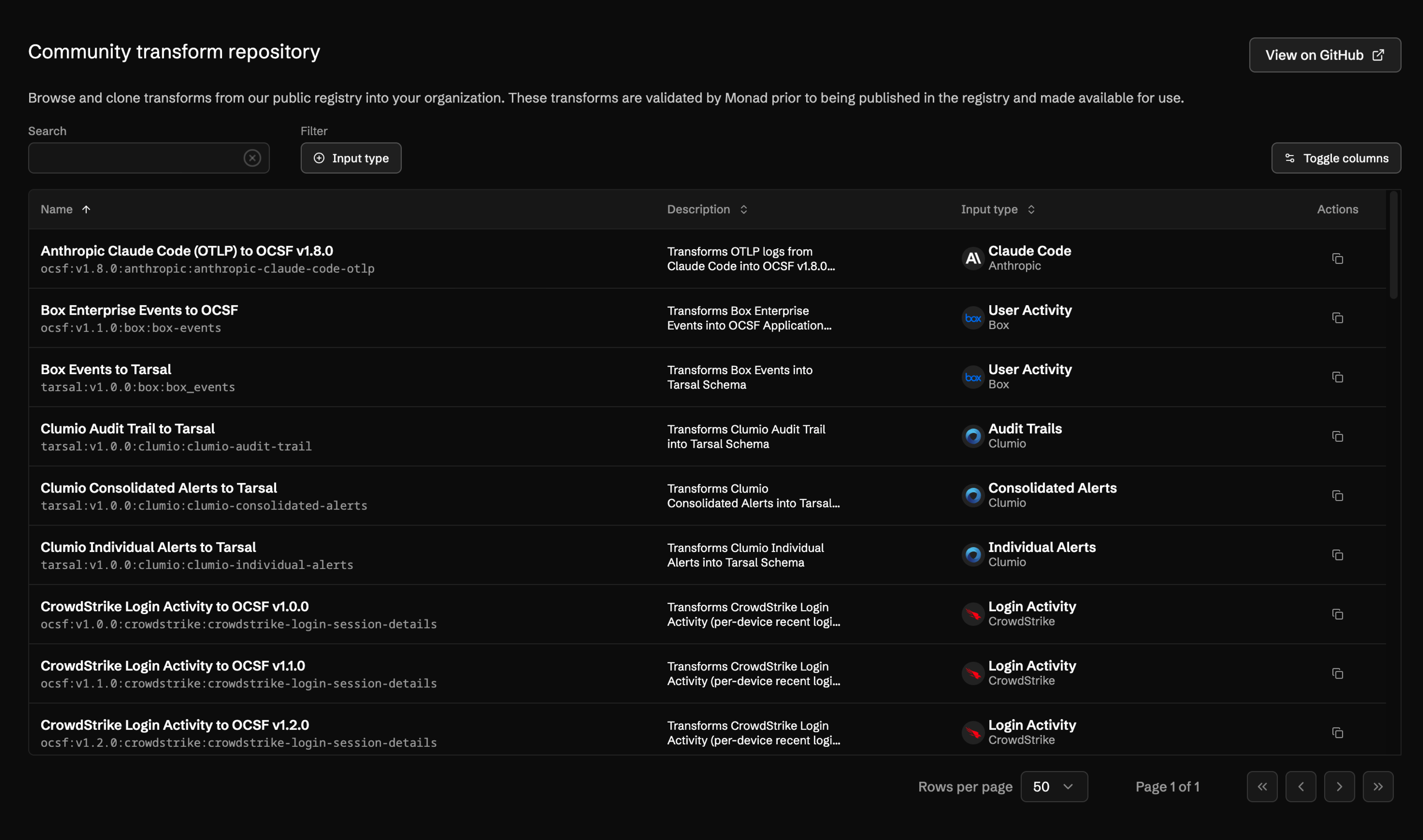
Quickly standardize logs from CrowdStrike, Wiz, Semgrep, and more. Monad's templates are rigorously tested and pinnable to specific OCSF versions for precision and reliability — and because transforms run on JQ, any source can be reshaped into OCSF without starting from scratch.
Accelerate Threat Detection
OCSF transforms make complex joins, queries, and correlations faster and easier — so your team can uncover threats with less effort and more accuracy. Pre-normalized, enriched data means analysts aren't searching raw logs across a dozen formats.
Composable Pipeline
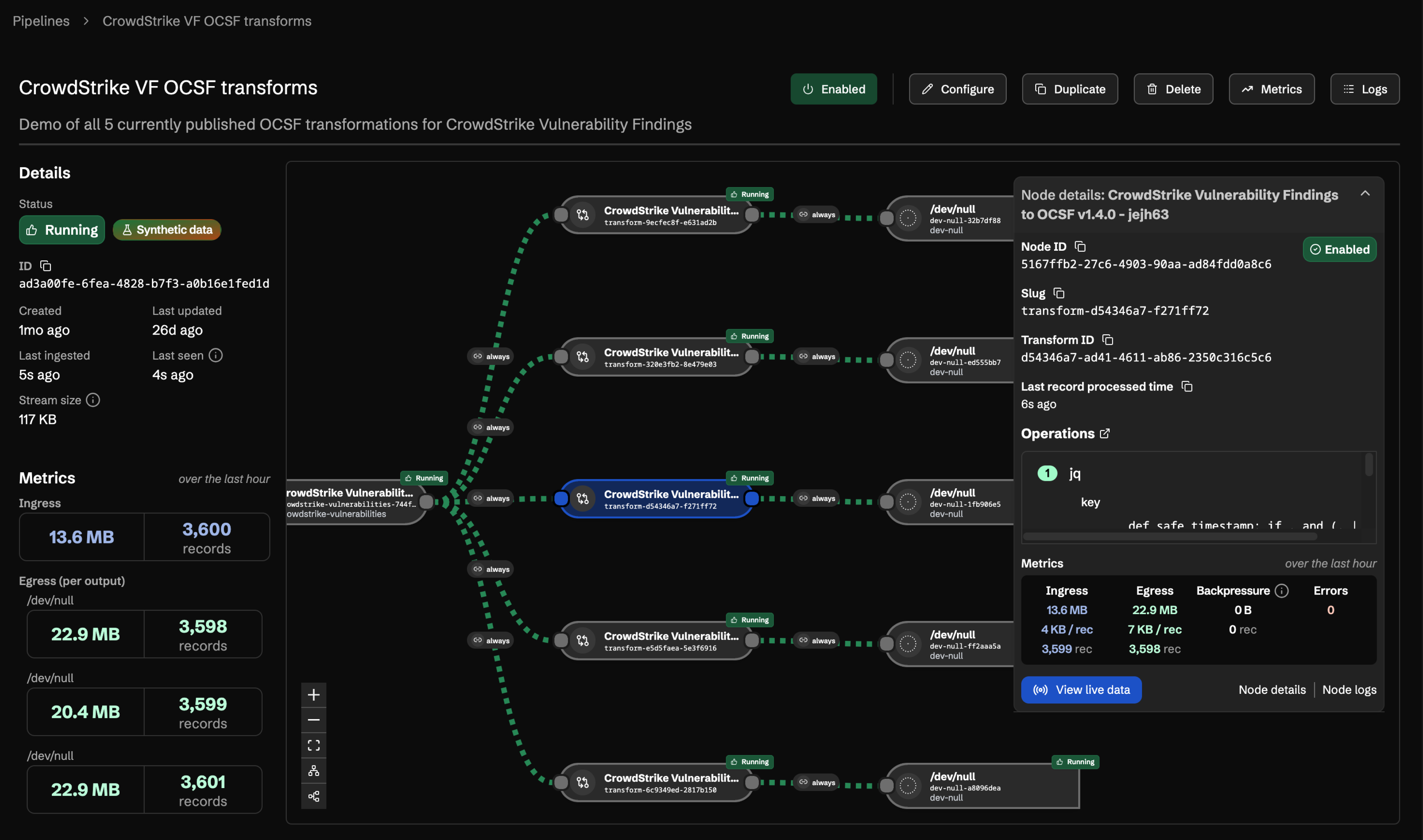
OCSF conversion runs alongside the rest of Monad's transformations. Enrich before the transform to shape OCSF fields, or after — whatever the final event needs to look like. Filter, enrich, map, and route all in one pipeline.
Community-Powered
Access a growing GitHub library of user-shared templates. Automate OCSF mappings from the API and roll them out as part of any pipeline workflow. Collaborate, contribute, and scale your OCSF adoption with real-world examples from your peers.
• Use Case:
Standardize Security Data Before It Hits the SIEM
Security teams are buried under fragmented, tool-specific log formats that slow down detection, complicate correlation, and drain valuable time. Without a common schema like OCSF, every new source means more mapping work, more bespoke queries, and more places for things to break downstream.
Real numbers from real pipelines.

Cut ingestion costs by filtering noise and normalizing your data before it hits your SIEM.
Operational logs can be routed to cold storage at 1/10th the cost of your SIEM.
New sources go live in minutes, with zero custom parsers to maintain.
Raw logs are a detection problem hiding in plain sight.
Walk through how Monad normalizes raw security logs to OCSF — select a pre-built template for your source, apply it in-flight with zero custom config, and land structured, query-ready data in your SIEM or data lake.
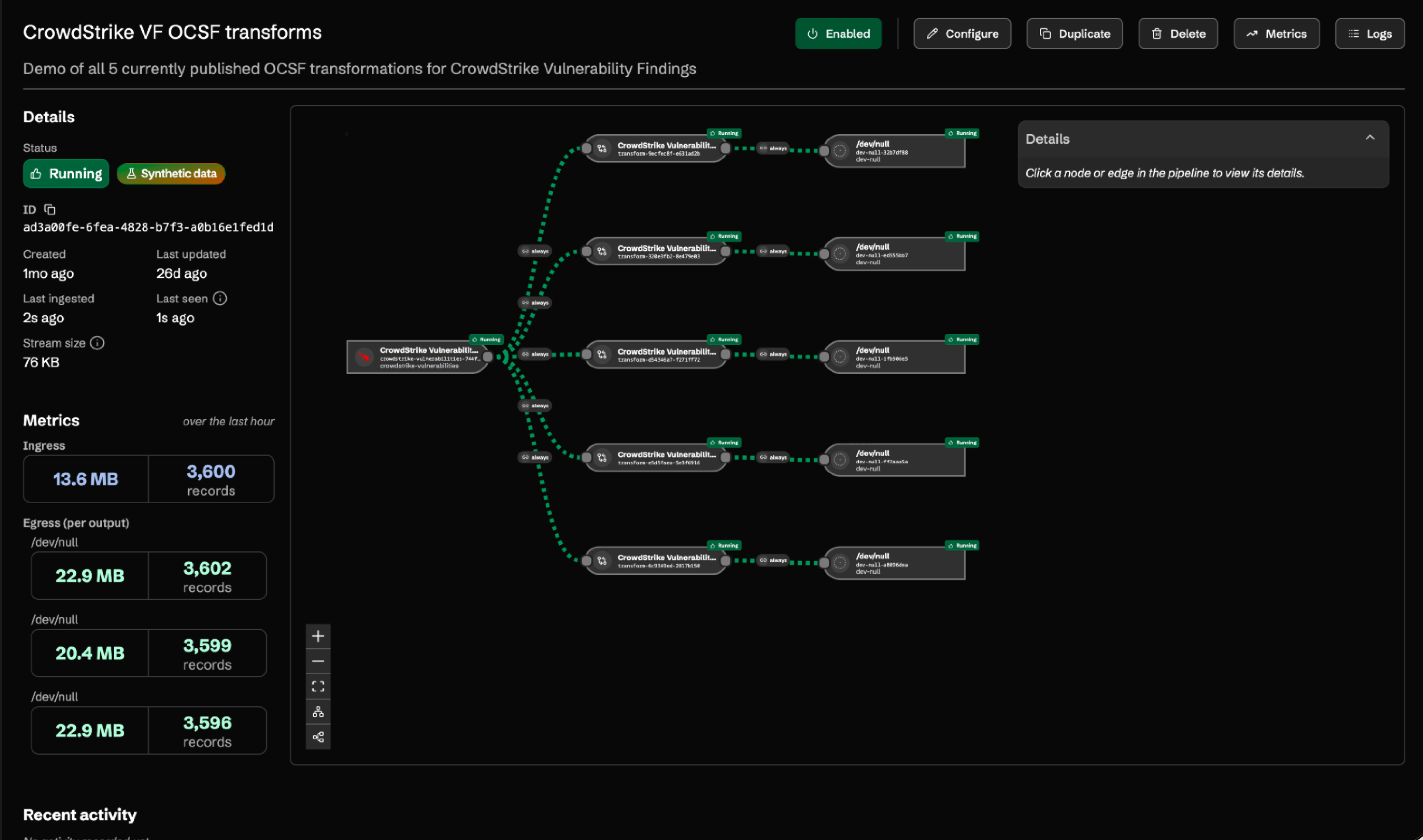
Every tool speaks a different language. Normalization is the translation layer.
Detection engineers and analysts spend hours writing custom parsers and field-level mappings just to get data into a queryable state. When every source uses its own schema, correlation is slow, detections break, and onboarding new tools becomes a project in itself. Monad takes a pragmatic, pipeline-native approach to normalization, such as OCSF: reusable JQ templates, pinnable to specific versions for stability, convert raw vendor telemetry into a normalized schema before it reaches the SIEM, data lake, or analytics layer. Apply, modify, and automate mappings through the product or the API — while keeping full control over how each field is mapped, enriched, filtered, and routed.
Because Monad's transforms run on JQ, any source Monad ingests can be reshaped into whatever normalization format you use (such as OCSF) by writing or adapting a template. Transforms run composeably alongside the rest of Monad's pipeline — enrich before the transform to shape the fields, or after, depending on what the final event needs to look like. Transformation templates are also available programmatically through the Monad API, so mappings can be managed and rolled out as part of a broader pipeline workflow. A growing community library at github.com/monad-inc/community-transformations means your team benefits from real-world mappings contributed by practitioners across the industry.
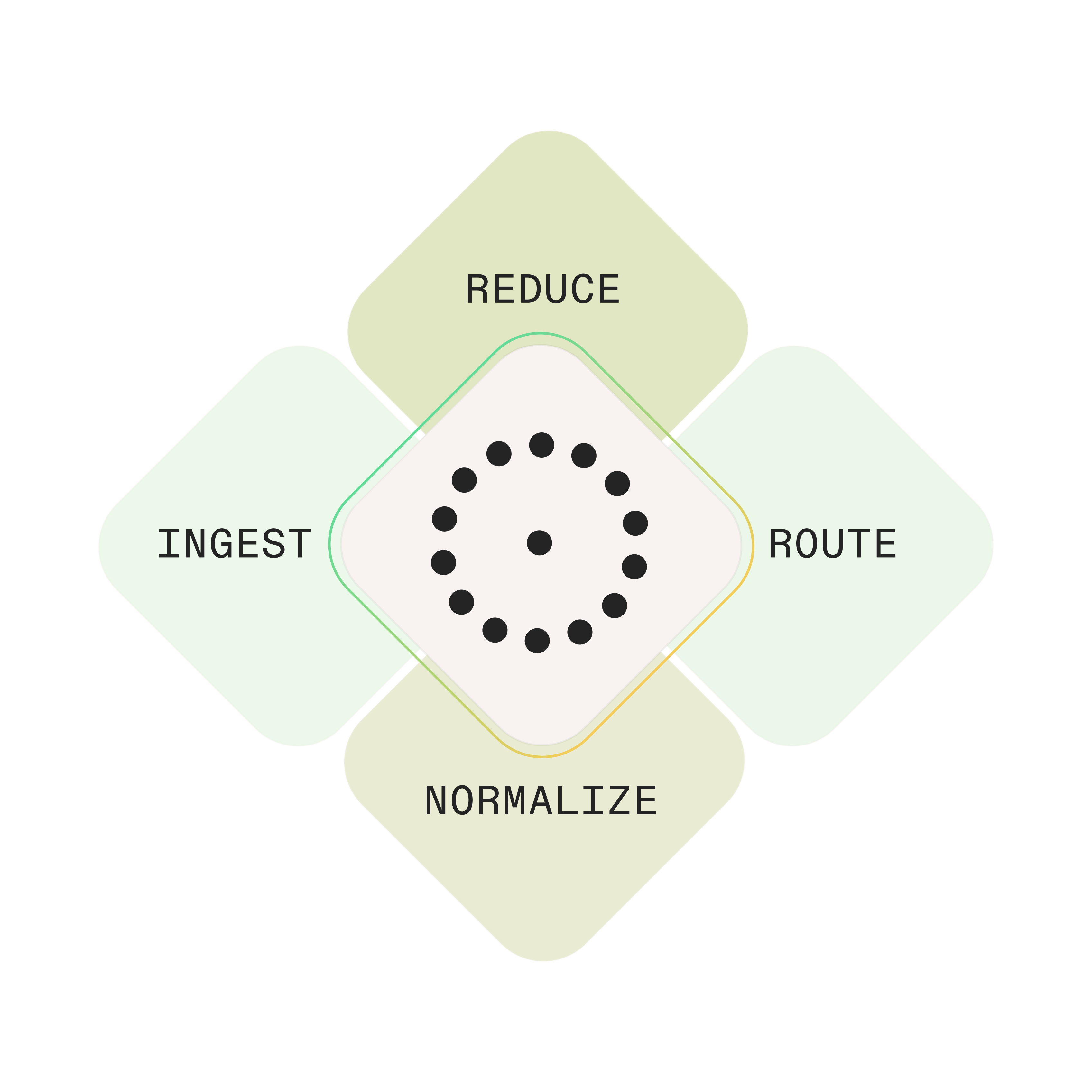
Built to make schema normalization disappear.
Stop writing parsers. Monad's transform engine handles the mapping so your team can focus on what the data is actually saying.

Pre-built OCSF Templates
Quickly standardize logs from CrowdStrike, Wiz, Semgrep, and more. Monad's templates are rigorously tested and pinnable to specific OCSF versions for precision and reliability — and because transforms run on JQ, any source can be reshaped into OCSF without starting from scratch.


Accelerate Threat Detection
OCSF transforms make complex joins, queries, and correlations faster and easier — so your team can uncover threats with less effort and more accuracy. Pre-normalized, enriched data means analysts aren't searching raw logs across a dozen formats.

Composable Pipeline
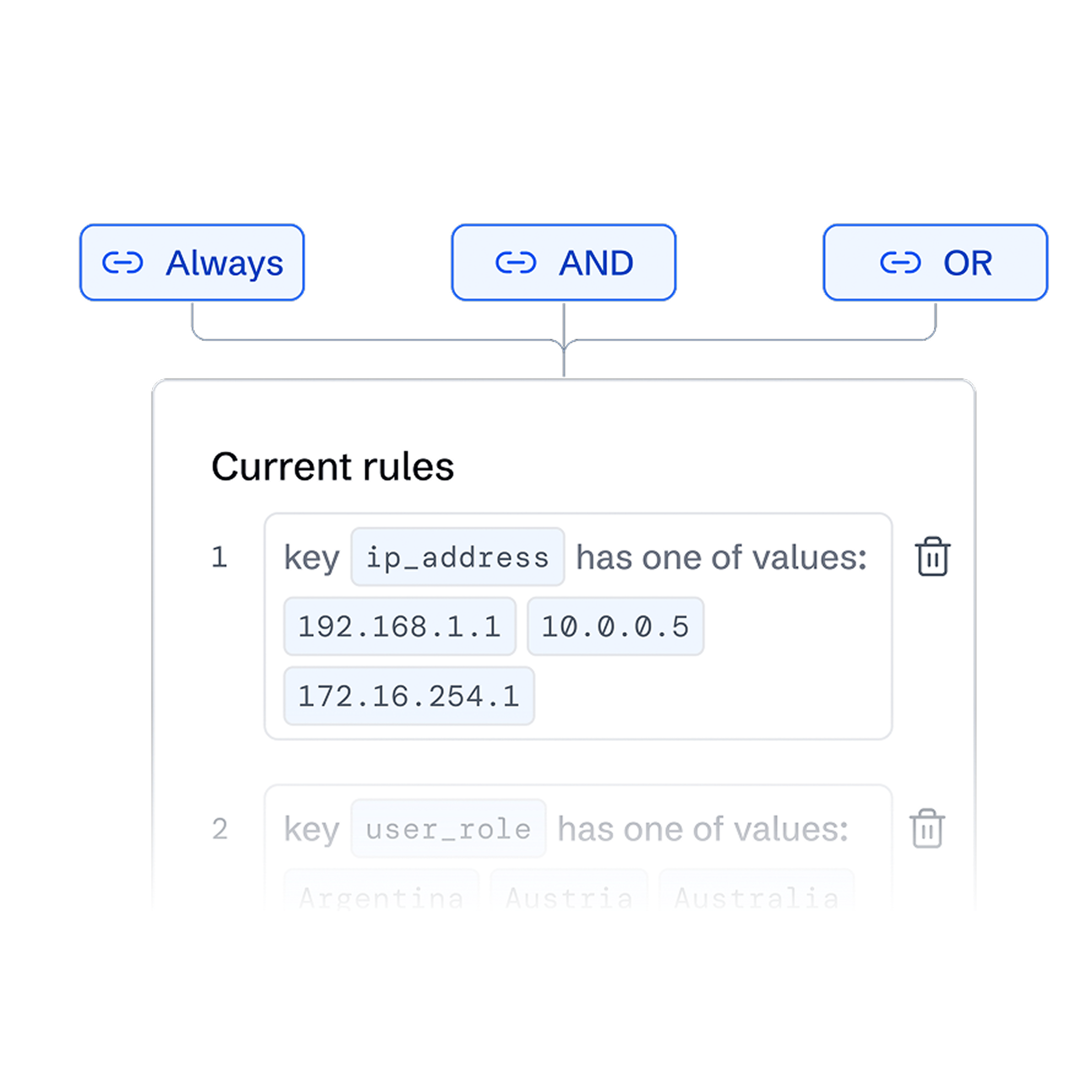
OCSF conversion runs alongside the rest of Monad's transformations. Enrich before the transform to shape OCSF fields, or after — whatever the final event needs to look like. Filter, enrich, map, and route all in one pipeline.

Community-Powered
Access a growing GitHub library of user-shared templates. Automate OCSF mappings from the API and roll them out as part of any pipeline workflow. Collaborate, contribute, and scale your OCSF adoption with real-world examples from your peers.
.png)